

Vaginal rejuvenation is not just a cosmetic procedure; it can address many women’s health issues that are still not openly discussed as they remain taboo topics.
Vaginal rejuvenation enables improvement in a woman’s quality of life, particularly enhancing sexual function and self-image.
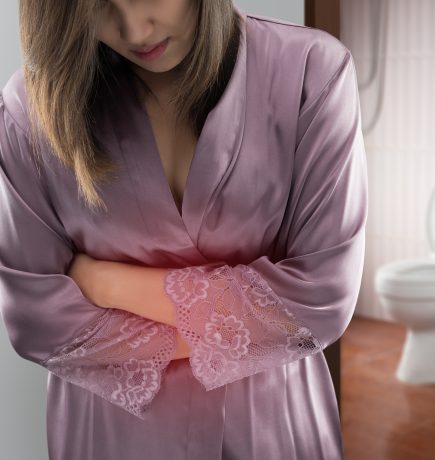
Childbirth represents a significant milestone in a woman’s life as it creates a family, but the beautiful moments with the child can be significantly affected by the consequences of vaginal delivery. Unfortunately, vaginal delivery often takes its toll, such as tearing of internal vaginal structures during the passage of the baby’s head, resulting in bladder and uterine prolapse. During delivery, perineal tears can also occur, especially if the midwife doesn’t protect it or if an episiotomy isn’t performed in time. After delivery, women often experience numbness, feelings of emptiness, and discomfort in the pelvis, with some experiencing urinary, gas, or even fecal incontinence.
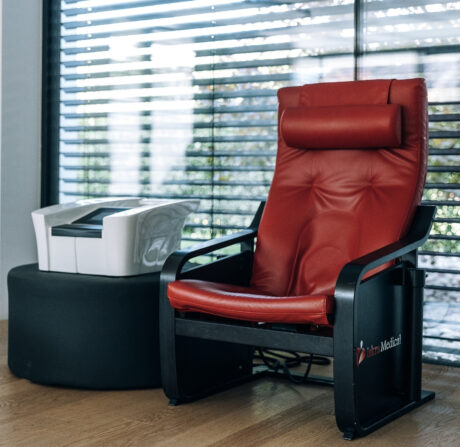
In the postpartum period, the pelvic floor gradually recovers, but rarely completely. Usually, it takes a year for the pelvic floor to regain strength, though this can be achieved sooner with intensive pelvic floor muscle training (Kegel exercises) or, even better, with magnetic chair stimulation.
At BUT Clinic, we observe a yearly increase in the number of women who consider it very important that everything ‘down there’ is as it should be, or as it was before pregnancy, and are disappointed when this isn’t the case. Women are bothered by changes in the vaginal entrance, either due to deformation from episiotomy, poor wound healing, or simply because the vaginal entrance remains too wide, loose, and thus problematic, as they may notice posterior vaginal wall bulging (rectocele). Women often complain about lacking the ‘right’ sensation during intercourse, feeling emptiness – a sensation of ‘everything falling out.’ As a result, women don’t enjoy intimate relations, some even avoid them, and many report that intercourse becomes merely a mechanical act, rarely achieving orgasm.

During intercourse, due to an overly wide or deformed entrance, air can enter the vagina, causing vaginal winds or ‘farting’ sounds when the air escapes. This is usually very uncomfortable, frustrating, and discourages women from sexual activity. First, due to the wide vaginal entrance, they don’t feel much during intercourse, and then they feel additional discomfort when their partner hears these sounds. Due to the altered, unappealing appearance of the vaginal entrance, women also avoid oral sexual relations. Not only air but water and urine can also enter the vagina during urination, potentially causing changes in vaginal acidity, mucosal irritation, and consequent recurring vaginal infections, potentially affecting the bladder as well.
How to solve all these problems?
Prof. Dr. But recommends introitoplasty surgery to improve self-image, increase self-confidence, and enhance sexual pleasure.
Prof. Dr. But explains: “This is a surgical vaginal rejuvenation method where we create the best possible symmetry of the vaginal entrance, slightly narrow the entrance, and simultaneously lift the bladder. We also strengthen the posterior vaginal wall and reinforce bowel support. The procedure is performed under local anesthesia, possibly with mild sedation, takes about 40 minutes, and women are discharged after their first urination, usually within an hour after surgery.”
Why suffer in silence? Why should your relationship suffer due to rejection or avoidance of intimacy? Invest in yourself – it’s for you, for both of you, for your family! Perhaps a small step for you, but a giant leap for your relationship!
“And yes, one more thing…. vaginal laser treatment is completely useless and ineffective for treating vaginal laxity and toning, despite possible claims from those selling vaginal laser treatments to women who (blindly) trust them. Laser energy cannot be effective as it doesn’t penetrate deep enough into the tissue to address the fascia or muscles – it doesn’t even penetrate half the thickness of the vaginal mucosa, but it can cause burns! If the laser shows any ‘effect,’ it’s merely a placebo effect that completely disappears after a few weeks or, in exceptional cases, months!”